


A Guide to UV400 Sunglasses for Men & Women
What Are UV400 Sunglasses?
UV400 sunglasses are lenses that block 100% of UVA and UVB rays up to 400 nanometres on the light spectrum. This is the point where visible light ends and harmful ultraviolet light begins. If a pair of sunglasses is labelled UV400, it means the lenses stop virtually all UV radiation from reaching your eyes.
This matters more than most people realise. UV exposure does not just cause squinting or discomfort. Over time it can contribute to cataracts, eye strain, and premature ageing of the skin around your eyes. UV400 protection is the standard to look for, whatever style of sunglasses you choose.
A common myth is that darker lenses mean better protection. That is not true. A pair of light-tinted lenses with UV400 coating protects your eyes far better than a dark, uncoated lens. In fact, dark lenses without UV400 can be worse, because your pupils widen in the shade and let in more unfiltered UV light.
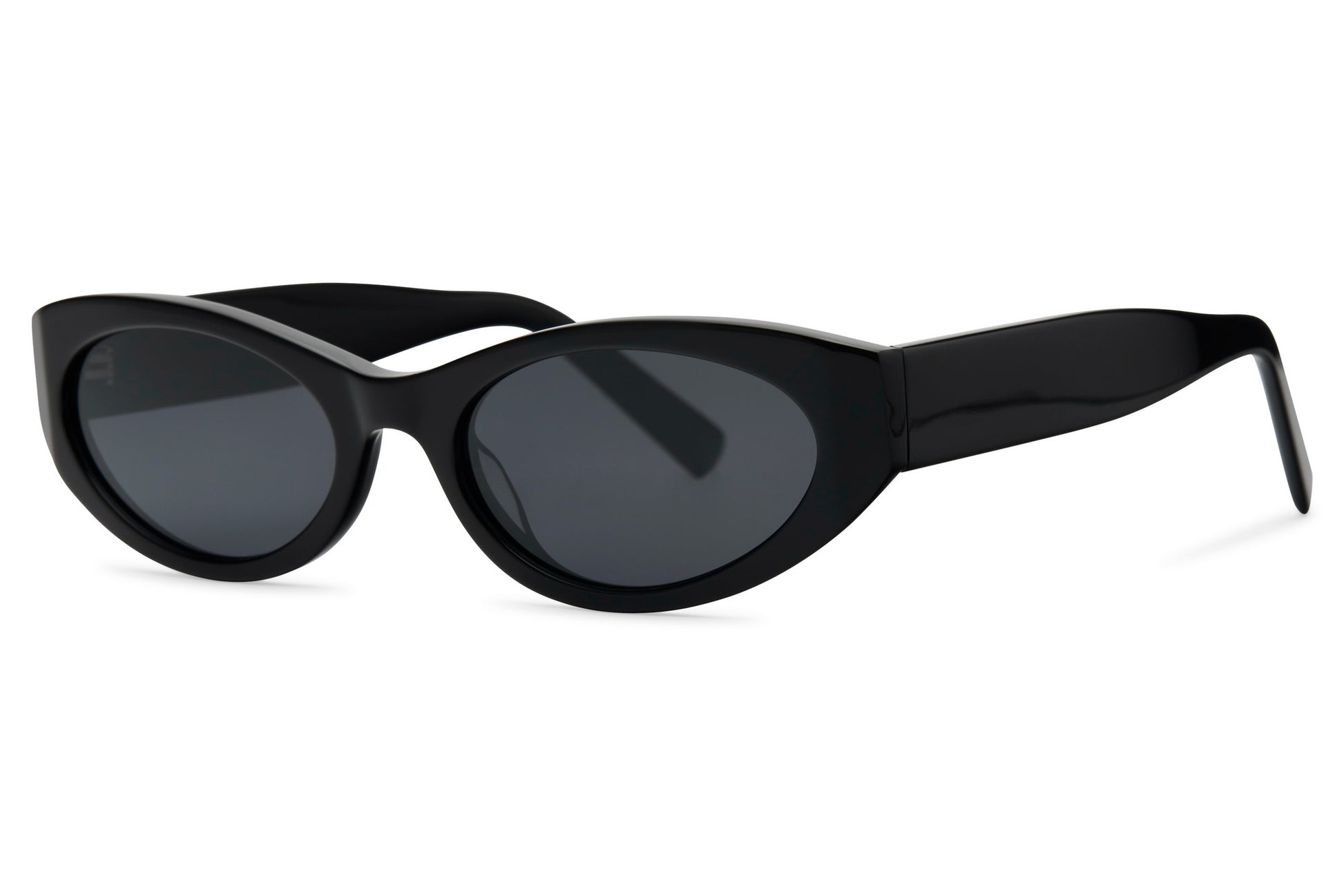
The good news is that UV400 protection works in every style, from an oversized black sunglasses uv protection look to a slim classic frame. It is about the lens technology, not the shape of the frame.
UV400 Categories Explained: 1 to 4
Sunglasses are also rated using a UV category system, from 1 to 4. This tells you how much visible light the lens filters, which is different from UV protection but often confused with it. A lens can be UV400 rated at any category, from 1 to 4.
- Category 1: Light tint, filters 20-57% of light. Good for mild or cloudy conditions.
- Category 2: Medium tint, filters 57-82% of light. A solid everyday choice for average UK sunshine.
- Category 3: Dark tint, filters 82-92% of light. The most common category, ideal for bright days, driving, and holidays.
- Category 4: Very dark tint, filters 92-97% of light. Best for intense glare, such as snow or high altitude. Not suitable for driving.
Most people looking for everyday, all-purpose protection choose UV400 Category 3 lenses. This is why uv cat 3 sunglasses is one of the most searched terms in this space. It hits the balance between comfort and glare reduction that suits most UK weather and most European summers.
If you are shopping for a specific use, such as driving or intense sun on holiday, check both the UV400 rating and the category number. They tell you two different things, and both matter.
Polarised UV400 Sunglasses
Polarised sunglasses uv protection is often treated as one feature, but it is really two separate technologies working together. UV400 blocks harmful rays. Polarisation cuts glare from flat, reflective surfaces like water, roads, and snow.
You can have UV400 protection without polarisation, and in rare cases you can find polarised lenses without full UV400 coverage. That is why it is worth checking both when you buy. A good pair of polarised uv 400 sunglasses gives you clear vision and full eye protection at the same time.
Polarised lenses are especially useful for:
- Driving, where glare bounces off other cars and the road surface
- Beach and water activities, where sunlight reflects off the surface
- Snow sports, where glare comes from bright white surfaces
- General daily wear, for sharper contrast and less eye strain
If you are unsure whether a lens is polarised, hold it up against a reflective surface like a phone screen or car window and tilt it. A polarised lens will noticeably reduce the glare as you rotate it.
 |
 |
UV400 Sunglasses by Shape
UV400 protection works the same way in every lens, but different frame shapes affect how much of your eye area gets covered. Here is how the three most searched shapes compare.
UV Aviator Sunglasses
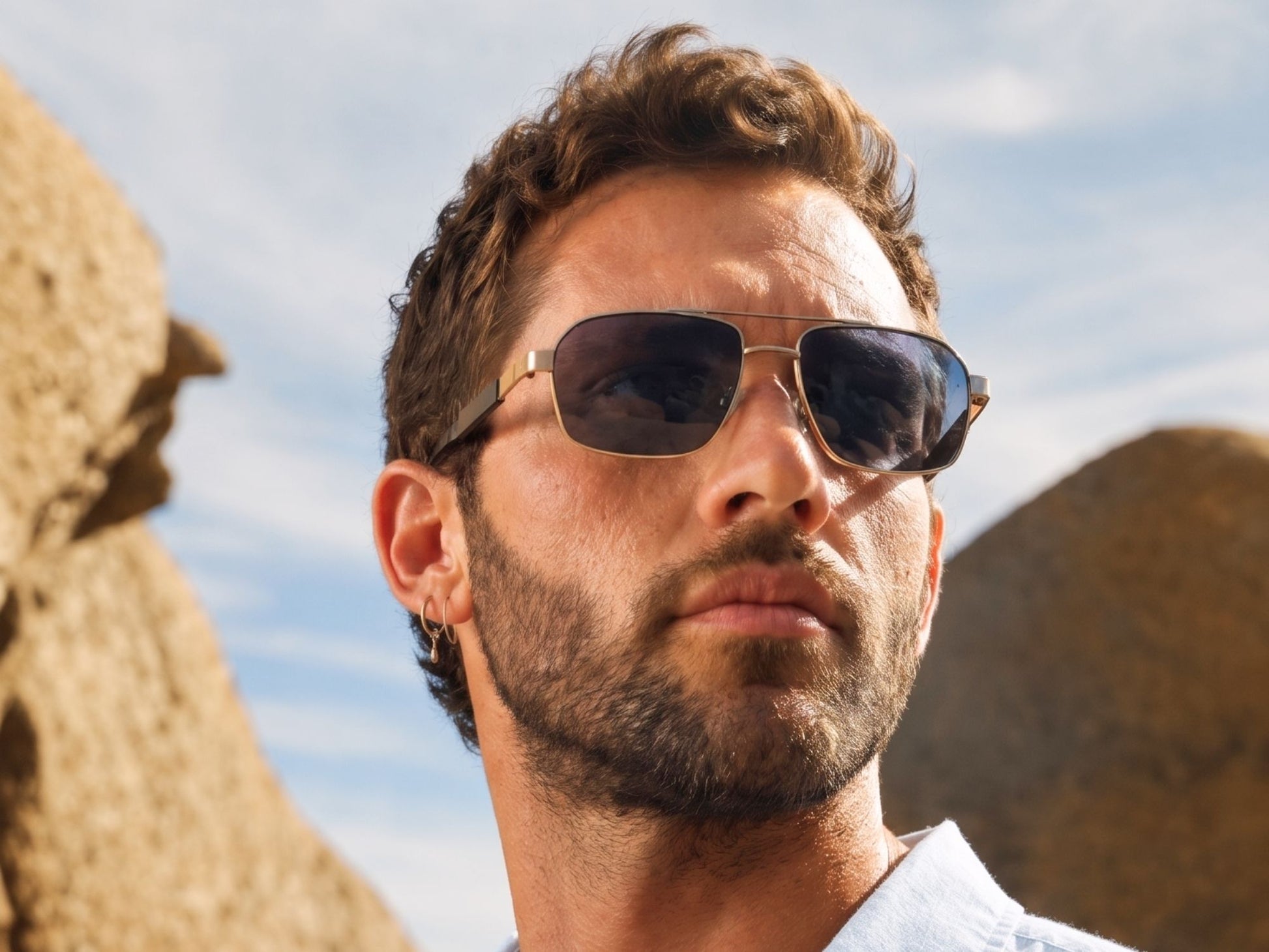
Aviator frames sit further from the face and have a larger lens area than most other shapes. This means uv aviator sunglasses naturally cover more of the eye and the surrounding skin, which can reduce peripheral UV exposure.
The trade-off is that the open sides of an aviator frame let in slightly more light from the edges compared to a close-fitting wraparound style. This is not a flaw. It simply means the lens quality matters more than the frame shape. Choose uv400 aviator sunglasses and you get full protection with the classic aviator look.
Search data shows real demand for aviator sunglasses uv protection specifically, separate from general aviator style searches. People buying aviators want to know the lenses will actually protect their eyes, not just look good.
 |
 |
UV Cat-Eye Sunglasses
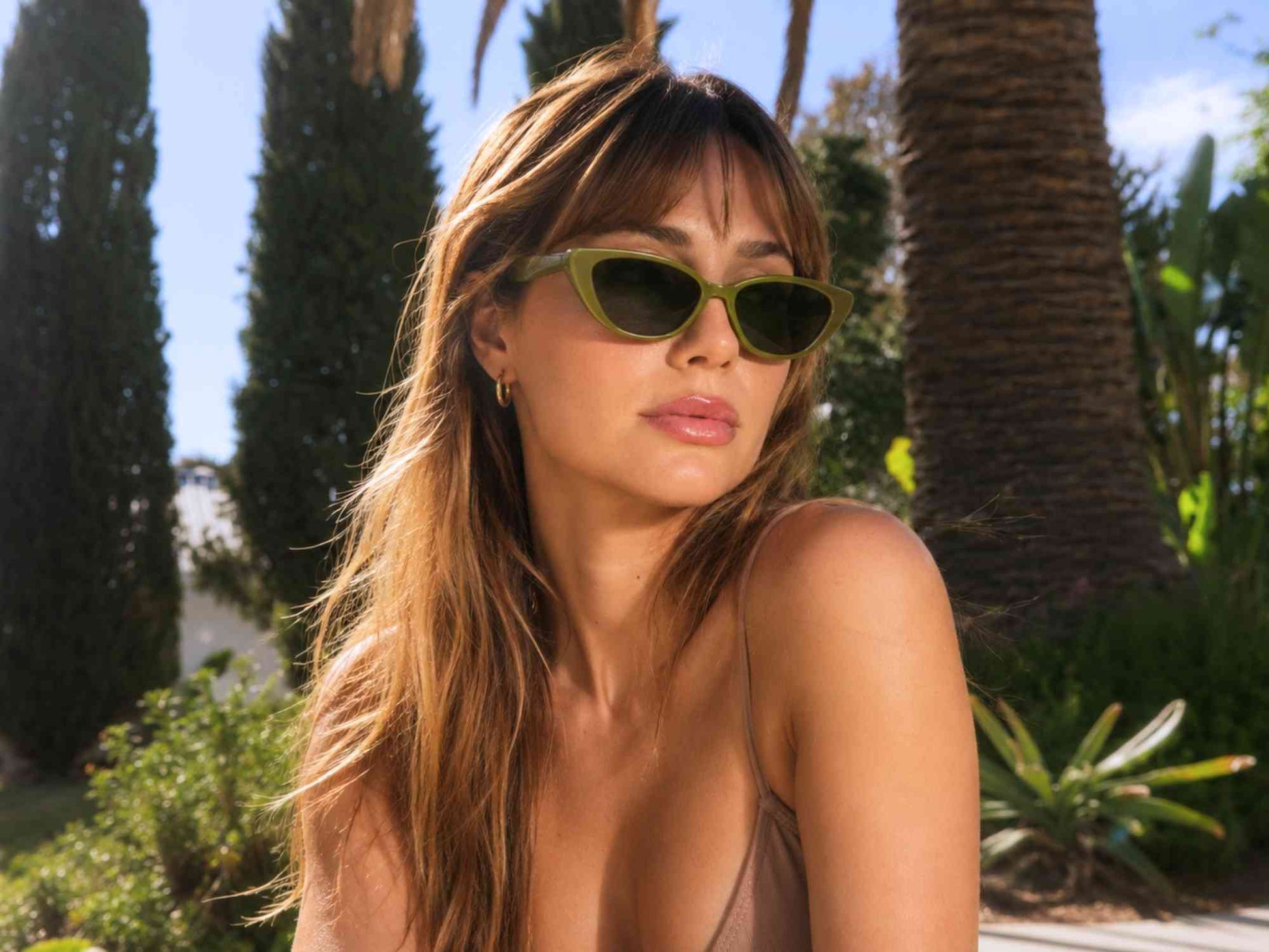
Cat-eye frames have upswept outer corners, which gives good coverage at the top and sides of the eye. Paired with a UV400 lens, this shape offers strong protection from overhead and angled sunlight.
When shopping for cat eye sunglasses uv protection, check that the lens itself carries the UV400 rating rather than assuming the frame shape alone does the work. The shape helps with coverage, but it is the lens coating that actually stops UV rays.
 |
 |
UV Wayfarer Sunglasses
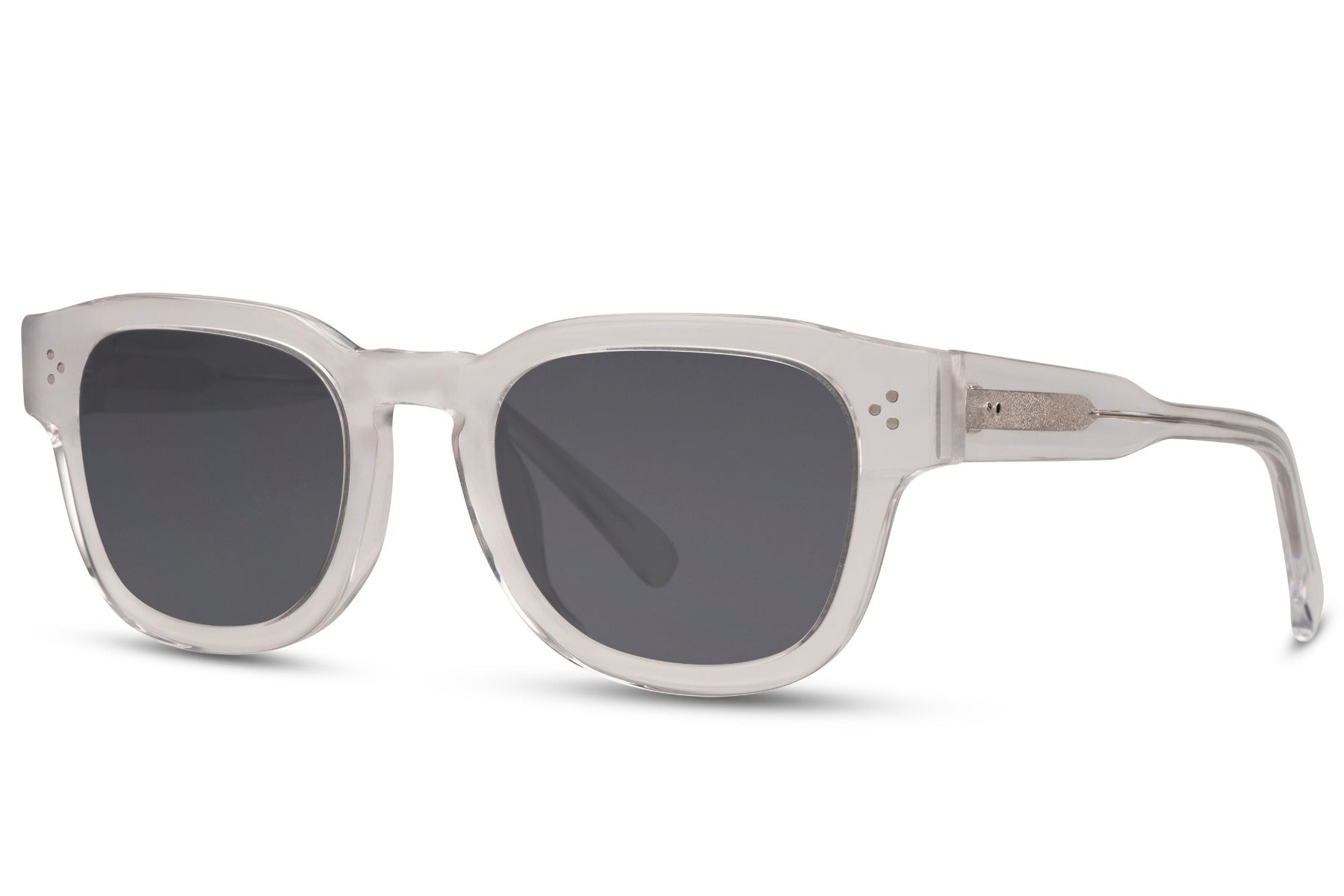
Wayfarer frames have a straight, slightly angular shape with good width across the face. This gives solid, even coverage across both eyes without gaps at the sides.
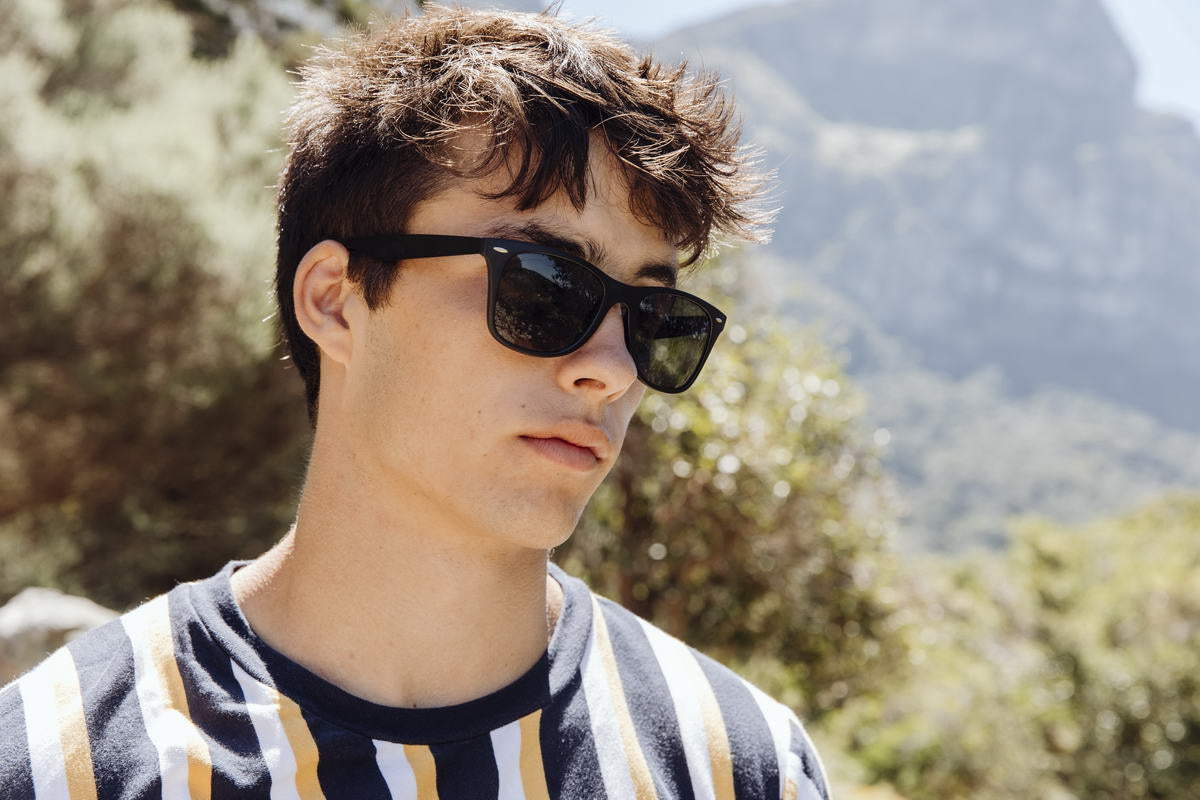
Wayfarer sunglasses uv400 is a strong combination for everyday wear. The classic proportions of a wayfarer frame suit most face shapes, and paired with a UV400 lens, you get reliable protection that does not compromise on style.
 |
 |
UV400 Sunglasses for Every Wearer
UV400 protection is not a gendered feature, but fit and frame style do vary. Here is what to look for depending on who you are shopping for.
Women's UV400 Sunglasses
Choosing the right uv sunglasses for women comes down to two things: proper UV400 protection and a frame that actually fits your face shape and size. Neither should be sacrificed for the other.
Look for women's sunglasses uv protection labelling on the product page or the lens itself. Every pair should state its UV rating clearly. If it does not, that is worth asking about before you buy.
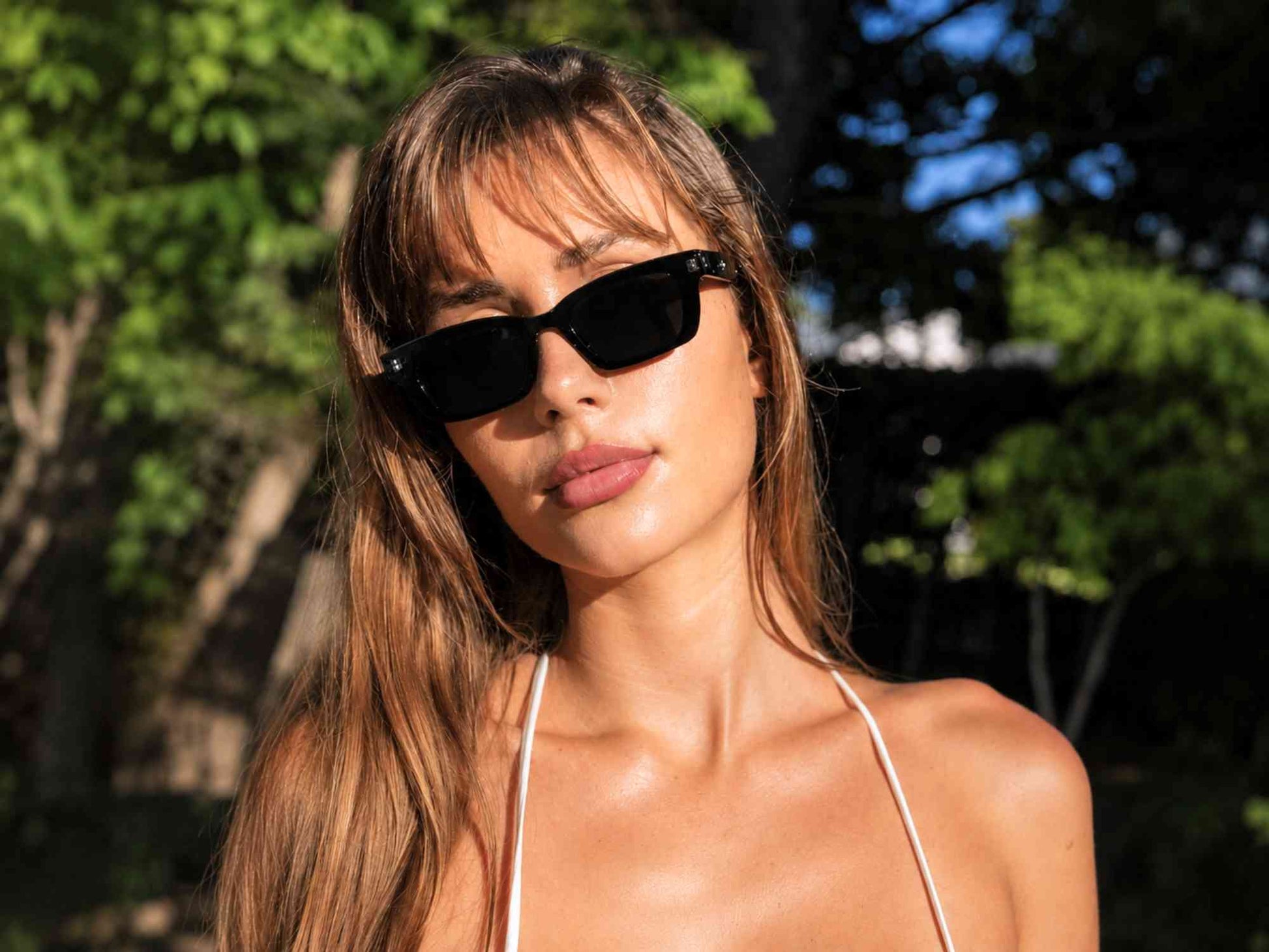
Popular choices among uv400 women's sunglasses include cat-eye and oversized frames, both of which offer wide coverage. For a more classic look, uv400 ladies sunglasses in a wayfarer or round shape work well for most face shapes.
Whether you are after everyday wear or something for a beach holiday, ladies uv sunglasses should always carry the UV400 standard as a baseline, not an upgrade. Full uv protection womens sunglasses should be the starting point, not an extra you pay more for.
Men's UV400 Sunglasses
The same standard applies to men's frames. Uv protection sunglasses men shop for should offer full UV400 coverage as standard, regardless of price point or style.
Classic shapes like aviators and wayfarers remain the most popular mens sunglasses uv protection choices, largely because they suit a wide range of face shapes and offer good lens coverage.
When comparing options, check that mens uv protection sunglasses list their category rating too, not just UV400. A category 3 lens suits most everyday UK conditions, while category 2 works well for milder days. Either way, mens sunglasses with uv protection should never compromise on the UV400 rating itself.
Kids' UV400 Sunglasses
Children's eyes let in more UV light than adult eyes. The lens inside a child's eye is clearer and less able to filter UV rays naturally, which makes proper protection even more important at a young age.
When choosing kids' UV400 sunglasses, look for the same UV400 rating you would want for yourself. A comfortable, secure fit matters too, since children are less likely to keep loose sunglasses on consistently.
Good habits start early. Getting children used to wearing proper UV protection from a young age makes it far more likely they will keep the habit as adults.
Frequently Asked Questions
What does UV400 mean?
UV400 means the lens blocks 100% of UV rays up to 400 nanometres, covering both UVA and UVB light. It is the highest standard of UV protection available in sunglasses.
Is UV400 the same as polarised?
No. UV400 blocks harmful rays, while polarised (also spelled polarized) lenses reduce glare from reflective surfaces. A lens can have one feature, both, or neither, so it is worth checking each separately.
What does UV cat 3 sunglasses rating mean?
Category 3 lenses filter 82-92% of visible light, making them dark enough for bright sunshine while still safe for driving. It is the most popular category for everyday UK and European wear.
Do I need UV400 sunglasses in winter as well as summer?
Yes. UV rays are present all year, and snow or wet roads can reflect even more UV light than a summer pavement. Winter sun is often lower in the sky too, hitting your eyes more directly.
Are aviator sunglasses good for UV protection?
Yes, provided the lens itself carries a UV400 rating. The large lens area of an aviator frame gives good coverage, but it is the lens coating, not the frame shape, that actually blocks UV rays.
Can children wear the same UV protection as adults?
Children need UV400 protection just as much as adults, often more, since their eyes let in more UV light. Choose a comfortable, well-fitted frame with the same UV400 standard you would choose for yourself.